GPU Age Limits: Which Graphics Cards Can't Keep Up in 2026?
By 2026, the relentless march of gaming technology has left many once-capable graphics cards behind. Modern titles demand higher resolutions, ray tracing, and advanced rendering techniques that older hardware simply cannot handle. Below, we explore seven GPUs that have officially reached the end of their gaming viability. Each section details why these cards, from NVIDIA and AMD, now struggle to deliver a playable experience.
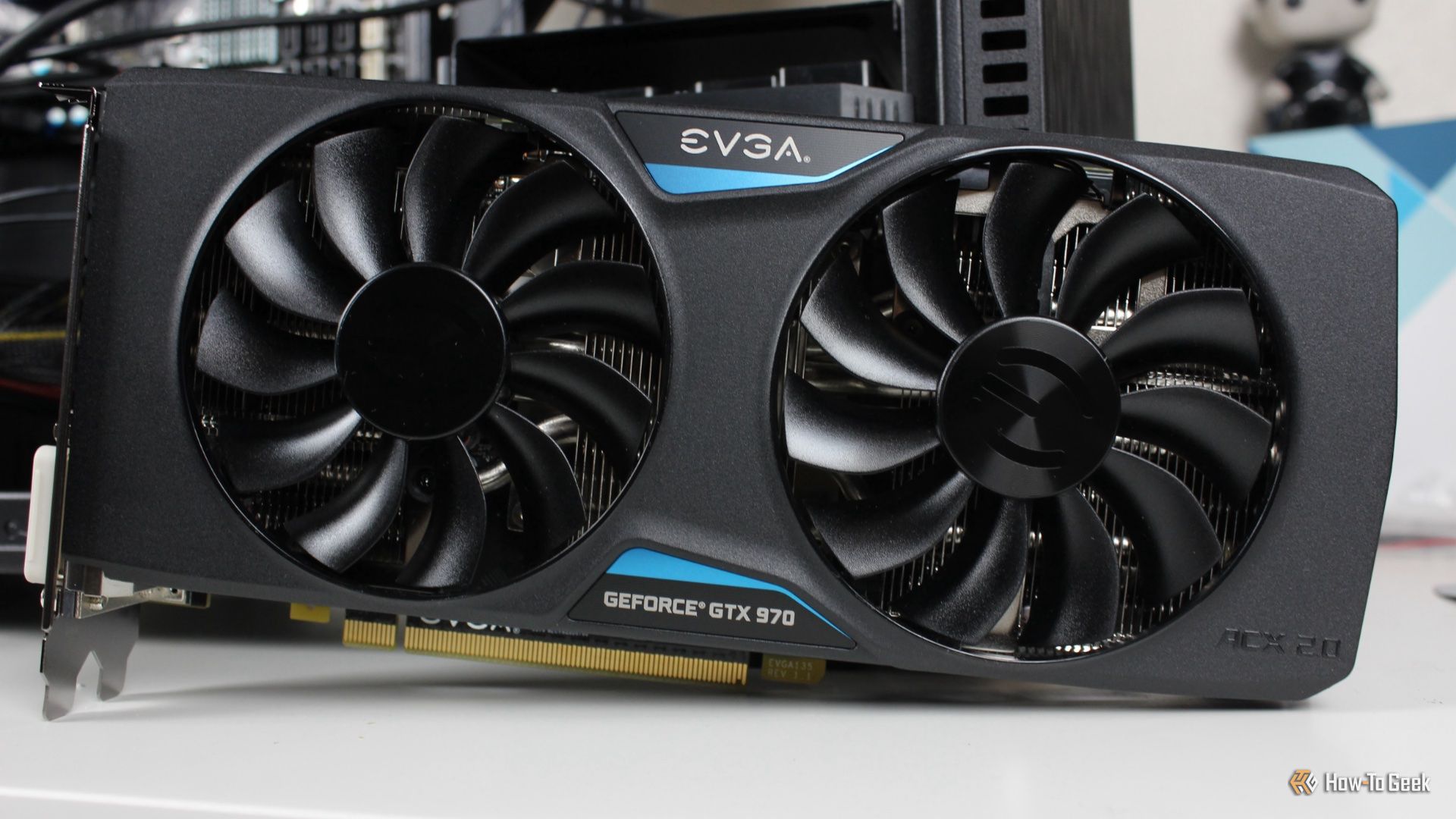
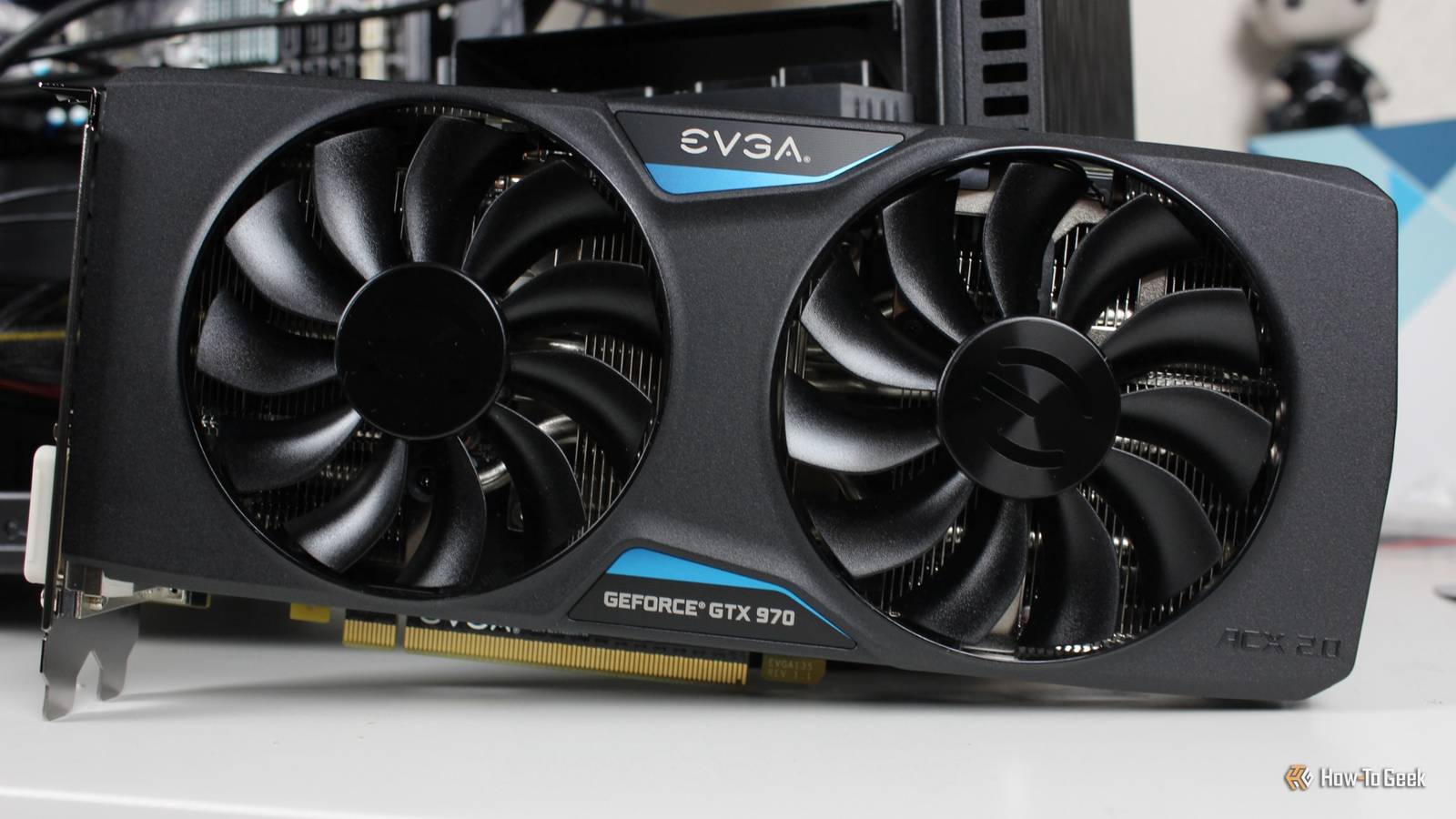
Why is the NVIDIA GTX 970 too old for gaming in 2026?
The GTX 970, released in 2014, was a beloved mid-range card powered by the Maxwell architecture. However, by 2026, it suffers from severe limitations. Its 4GB of VRAM (with 3.5GB at full speed) is far below the 8-12GB needed for modern AAA titles at 1080p. The card lacks support for DirectX 12 Ultimate features like ray tracing and mesh shaders, causing poor performance in new games. Even at low settings, frame rates often dip below 30fps in demanding releases like Cyberpunk 2077 or Starfield. Driver support has ended, meaning no optimizations for newer titles. For any serious gaming beyond esports, the GTX 970 is now officially obsolete.
Why is the NVIDIA GTX 1060 3GB insufficient for modern gaming?
While the GTX 1060 6GB remains a budget option for esports, the 3GB variant is a different story. Launched in 2016, this card’s limited VRAM becomes its downfall. Many 2026 games recommend at least 6GB VRAM for 1080p medium settings. With only 3GB, textures must be set to low, causing pop-in and blurry visuals. The Pascal architecture lacks hardware-accelerated ray tracing and variable rate shading, leading to stuttering in recent titles. In benchmarks, it averages under 30fps in heavy games like Alan Wake 2 and Hogwarts Legacy. The 3GB model also had a narrower memory bus (192-bit vs 256-bit for the 6GB version), reducing memory bandwidth further. For anything beyond Fortnite on low, this GPU is too weak for 2026.
Has the AMD RX 580 become obsolete for gaming by 2026?
The RX 580, a popular 2017 Polaris card, once offered great 1080p performance. But by 2026, its age shows. With 8GB VRAM, it can handle texture loads, but the underlying GCN architecture lacks modern features like Vulkan ray tracing and efficient geometry processing. Power consumption is high (185W TDP) compared to newer efficiency gains. Driver support has shifted to maintenance mode, and many recent AMD drivers prioritize RDNA cards. In titles like Baldur's Gate 3 and Star Wars Outlaws, the RX 580 struggles to maintain 30fps even at 1080p medium. While it can run older games well, it is no longer a viable option for new AAA releases. The lack of VRS and mesh shaders means it’s effectively a legacy card best suited for light gaming or HTPC use.
What makes the GTX 1050 Ti outdated for 2026 gaming?
The GTX 1050 Ti launched in 2016 as a budget 1080p solution. However, its 4GB VRAM and low 75W TDP limit its capabilities. Modern games increasingly require 6GB VRAM even at 720p low settings. The Pascal processor (GP107) lacks support for DirectX 12_1 features like conservative rasterization, causing compatibility issues or degraded visuals. Performance in 2026 titles like F1 24 and S.T.A.L.K.E.R. 2 hovers around 20-25fps on the lowest presets. The card also cannot handle ray tracing at all, leading to missing lighting effects. Driver optimization has ceased for this part. While it remains functional for indie games and esports, the GTX 1050 Ti is too weak for modern AAA gaming, making it a relic from a less demanding era.
Why is the AMD R9 Fury too old for current gaming?
The R9 Fury, from 2015, was AMD’s first to use High Bandwidth Memory (HBM1). It offered 4GB VRAM with 512GB/s bandwidth, but that combination now proves problematic. The 4GB capacity is insufficient for modern textures, forcing constant swapping. The Fiji GPU lacks support for DirectX 12 Ultimate and asynchronous compute optimizations used by newer engines. Power draw reaches 275W under load, making it inefficient. In 2026 games, it often fails to reach 30fps due to driver overhead and lack of support. The HBM1 technology also suffers from slower latency compared to GDDR5X and GDDR6. No modern drivers enhance performance for this card. It's a collector's item at best; for gaming, the R9 Fury is thoroughly obsolete.
What limitations force the GTX 780 Ti out of gaming in 2026?
The GTX 780 Ti, Kepler flagship from 2013, was once a powerhouse. But by 2026, its 3GB VRAM and 384-bit bus are insufficient. Modern games require more than 3GB even for 720p low, leading to texture streaming issues and crashes. The Kepler architecture lacks DirectX 11 feature level 12 support for some apps, causing rendering errors. Performance is crippled; in Cyberpunk 2077, it struggles to hit 20fps at lowest settings. The 250W TDP is high for what it delivers. NVIDIA ended driver support years ago, so no game-specific optimizations exist. The card also cannot run any Vulkan or DirectX 12 titles that require feature levels above Kepler. It remains usable only for old games (pre-2016) or as a display adapter. For any modern gaming, the GTX 780 Ti is a fossil.
Why is the AMD RX 480 considered too old for 2026 gaming?
The RX 480, released in 2016 with 8GB VRAM, was a capable 1440p card in its prime. However, by 2026, its GCN 4 architecture shows its age. While VRAM capacity is adequate, memory bandwidth (256GB/s) is low for modern texture loads. The card lacks Vulkan support for raytracing and has poor tessellation performance. In recent titles like Call of Duty: Black Ops 6, it averages under 30fps on low settings. Driver support is waning—AMD only issues critical fixes for Polaris. Power efficiency is poor (150W TDP) compared to newer cards. The RX 480 also misses features like Variable Rate Shading and Sampler Feedback, which newer games require for smooth frame rates. While it can handle esports and older AAA games, the RX 480 is no longer a viable choice for new releases in 2026, marking its retirement from gaming duty.