Nordic Nations Set New April Record for Electric Vehicle Sales
Introduction
April 2025 marked a historic month for electric vehicle (EV) adoption across the Nordic region, as sales surged to unprecedented levels. Data from national transport authorities and industry associations confirm that the combined sales of battery electric vehicles (BEVs) and plug-in hybrids (PHEVs) broke all previous April records. This article examines the standout performances of Norway, Denmark, Sweden, and Finland, and explores the driving forces behind this remarkable growth.
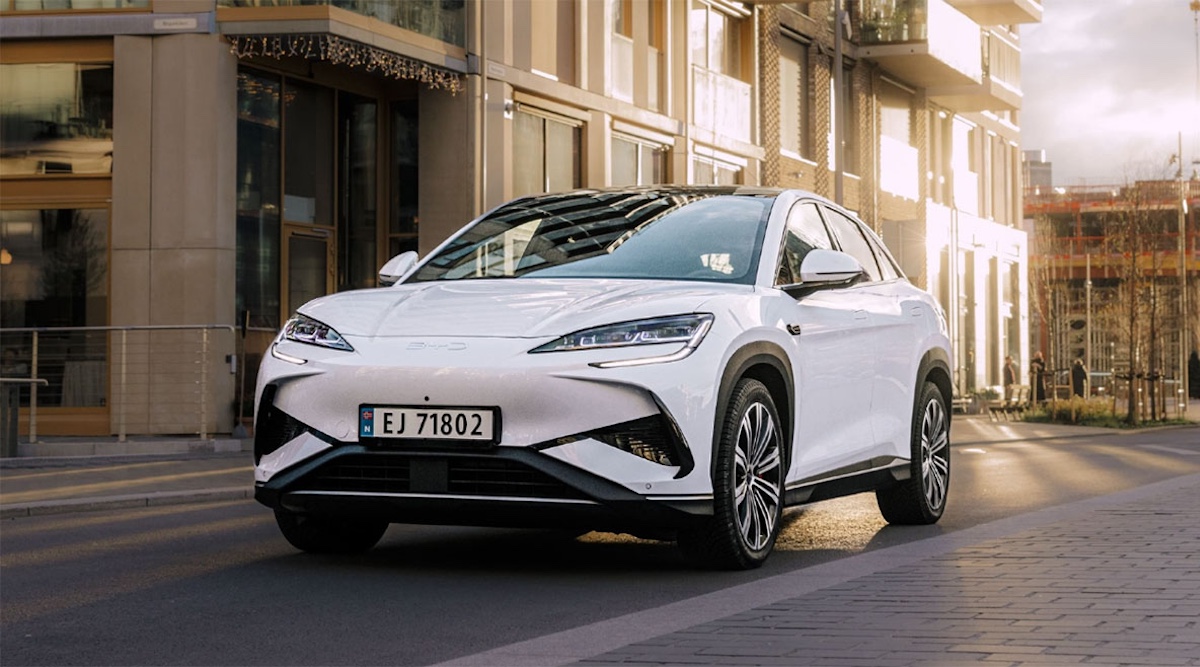
Record-Breaking Sales Across the Region
The Nordic countries have long been global leaders in EV adoption, and April's figures reinforce this trend. Norway, the undisputed champion of electrification, saw BEVs account for over 85% of new car sales—the highest monthly share ever recorded. Denmark also posted impressive numbers, with EVs capturing nearly half of all new registrations. Sweden and Finland, while at lower absolute levels, posted year-over-year increases of 30% and 25%, respectively. The combined result: a new regional record for April EV sales.
Norway and Denmark Lead the Charge
Norway's continued dominance is fueled by a combination of generous purchase incentives, long-standing policy support, and a robust charging network. In April, the Tesla Model Y and Volkswagen ID.4 were the best-selling models, benefiting from recent price reductions and improved battery range. Denmark, meanwhile, has emerged as a surprising powerhouse. The country's aggressive phase-out of fossil fuel car subsidies, paired with a growing public charging infrastructure, has accelerated consumer switchover. The Hyundai Ioniq 5 and Kia EV6 proved particularly popular among Danish buyers.
Both nations have set ambitious national targets: Norway aims for all new car sales to be zero-emission by 2025, and Denmark is targeting one million EVs on the road by 2030. April's numbers bring these goals closer to reality.
Sweden and Finland Show Strong Growth
Sweden's EV market also posted strong results, with a 35% market share for BEVs in April. The Volvo EX30 and Polestar 2 led domestic sales, while the Kia Niro EV continued its global success. To maintain momentum, the Swedish government recently extended its bonus-malus system, offering higher subsidies for fully electric models. Finland, while smaller in volume, recorded its best-ever April for EV registrations. The country's cold climate and long distances have historically been barriers, but improved battery performance and fast-charging networks along highways have alleviated range anxiety. The Nissan Ariya and Tesla Model 3 were among the top sellers.
Finland's relatively low population density means even modest absolute numbers represent a significant penetration rate. The nation is also investing heavily in renewable energy to ensure that EVs are charged with green power.
Factors Driving the Electric Car Boom
The April record is not an anomaly but the result of several long-term trends converging. Government policies remain the single most powerful driver. All four Nordic countries offer substantial purchase subsidies, VAT exemptions, or road tax reductions for EVs. Additionally, many cities provide free parking and access to bus lanes, making electric cars more convenient than their gasoline counterparts.
Generous Incentives and Tax Breaks
Norway's exemption from 25% VAT on EV purchases, combined with no import duties, effectively lowers the price of an electric car by thousands of euros. Denmark recently adjusted its registration tax to favor low-emission vehicles, making models like the Tesla Model Y cheaper than comparable petrol cars. Sweden's klimatbonus (climate bonus) offers up to 70,000 SEK (approx. €6,000) for zero-emission vehicles, while Finland provides a purchase subsidy of up to €2,000 plus lower annual taxes. These fiscal measures directly influence consumer behavior.
Expanding Charging Infrastructure
Another critical factor is the rapid expansion of charging networks. Public fast-chargers have multiplied across the region—especially along main corridors and in urban centers. Norway now boasts over 20,000 public charging points, Denmark doubled its ultra-fast charging stations in 2024 alone, and Sweden and Finland have seen similar growth. The installation of high-power chargers capable of delivering 350 kW has reduced charging times to under 20 minutes for many new models.
Moreover, home charging remains the primary method for Nordic EV owners. With high rates of single-family housing and access to affordable overnight electricity rates, many households can charge conveniently and cheaply. The combination of workplace charging and destination charging (at shopping centers, restaurants, etc.) further eases the transition.
Implications for the Future
The April record sends a strong signal that the Nordic region is on track to be a global blueprint for transport electrification. Automakers are responding by prioritizing EV launches and increasing production capacity for popular models. The used EV market is also growing, making electric cars accessible to a wider demographic.
However, challenges remain. Grid capacity in some areas is strained, especially during peak charging times. Battery raw material supply chains require diversification to avoid bottlenecks. And while Norway is close to its 2025 target, Sweden and Finland will need sustained policy support to maintain high growth rates.
For consumers, the message is clear: the economic and environmental arguments for switching to an EV continue to strengthen. With fuel prices volatile and climate concerns urgent, April's record may well be broken again in the coming months.
Conclusion
Nordic countries have once again demonstrated their leadership in electric vehicle adoption. The April 2025 sales record, spearheaded by Norway and Denmark, with strong performances from Sweden and Finland, underscores the effectiveness of consistent policy, comprehensive infrastructure, and consumer demand. As the transition accelerates, the rest of the world will be watching closely.