10 Reasons to Ditch Adobe Firefly for a Free Open-Source Image Generator
The world of AI image generation is mired in ethical controversies—from unauthorized data scraping to artist compensation and originality debates. Adobe Firefly initially stood out as a relatively ethical option, trained on licensed Adobe Stock and public domain content. But its free tier quickly runs out of credits, pushing users toward a paywall. Meanwhile, tools like ChatGPT have faced their own scandals (remember the Studio Ghibli mania?). For many creators, the solution lies in free, open-source alternatives that offer transparency, control, and no cost. Here are 10 compelling reasons to make the switch.
1. The Training Data Dilemma
Adobe Firefly's training data is a mix of licensed Adobe Stock images and public domain works, which reduces the risk of copyright infringement. However, many other commercial generators scrape the internet without consent, raising serious ethical flags. Open-source models like Stable Diffusion can be trained on curated datasets—or you can fine-tune them on your own images. This gives you full visibility into what the model has learned and eliminates concerns about laundering artists' styles without permission.
2. The Paywall Problem
Firefly offers a limited number of free generations per month; beyond that, you must pay for a subscription. For casual creators or small businesses, this can become a recurring expense. Open-source alternatives have no usage limits. You install the software (often locally) and generate as many images as your hardware allows, without ever reaching a credit cap. The only cost is your electricity and time.
3. ChatGPT's Ghibli-Style Controversy
The recent craze of generating images in the style of Studio Ghibli via ChatGPT highlighted how AI can mimic distinct artistic voices without permission. While Firefly avoids this by using only licensed data, the ethical gray area remains. Open-source tools let you avoid these pitfalls entirely—you can choose models that explicitly prohibit style replication, or you can train models only on content you own. This puts ethical control back in your hands.
4. Full Control Over Generated Content
With proprietary tools like Firefly, you are bound by their terms of service—your generated images may not be yours to use commercially or modify freely. Open-source models typically come with permissive licenses (e.g., Creative ML OpenRAIL-M). You can sell your creations, incorporate them into products, and tweak the code to suit your needs. This freedom is essential for professionals who need to retain full rights over their work.
5. Privacy and Data Security
When you use Firefly, every prompt and image you generate is sent to Adobe's servers. For sensitive projects or client work, this can be a privacy risk. Open-source generators can run entirely on your own computer (offline). Your data never leaves your machine, ensuring confidential ideas remain secure. This is especially valuable for designers working on unreleased products or under NDAs.
6. Community-Driven Innovation
Open-source image generation is powered by a global community of developers and artists. New features, models, and improvements are released frequently—often months ahead of proprietary tools. You can access cutting-edge techniques like ControlNet, LoRA fine-tuning, and inpainting without waiting for a corporate roadmap. The community also provides extensive documentation, tutorials, and plugins.
7. No Hidden Costs for Advanced Features
Firefly's paid tier unlocks higher resolution, more generation styles, and batch processing. In the open-source world, all features are available for free. Want to generate 4K images? Use upscaling models. Need to create a consistent character? Train a LoRA. These advanced capabilities are built into the tools or available as extensions, with no additional fees. Your only limitation is your hardware.
8. Avoiding Style Theft and Supporting Artists
Adobe claims Firefly respects artists because it only trains on licensed stock. However, many stock contributors question whether they consented to AI training. Open-source models allow you to use ethically sourced datasets—such as those composed of public domain art or images you own. By choosing open-source, you can actively support a transparent ecosystem where artists can opt in or out and receive credit.
9. Customization and Learning Opportunities
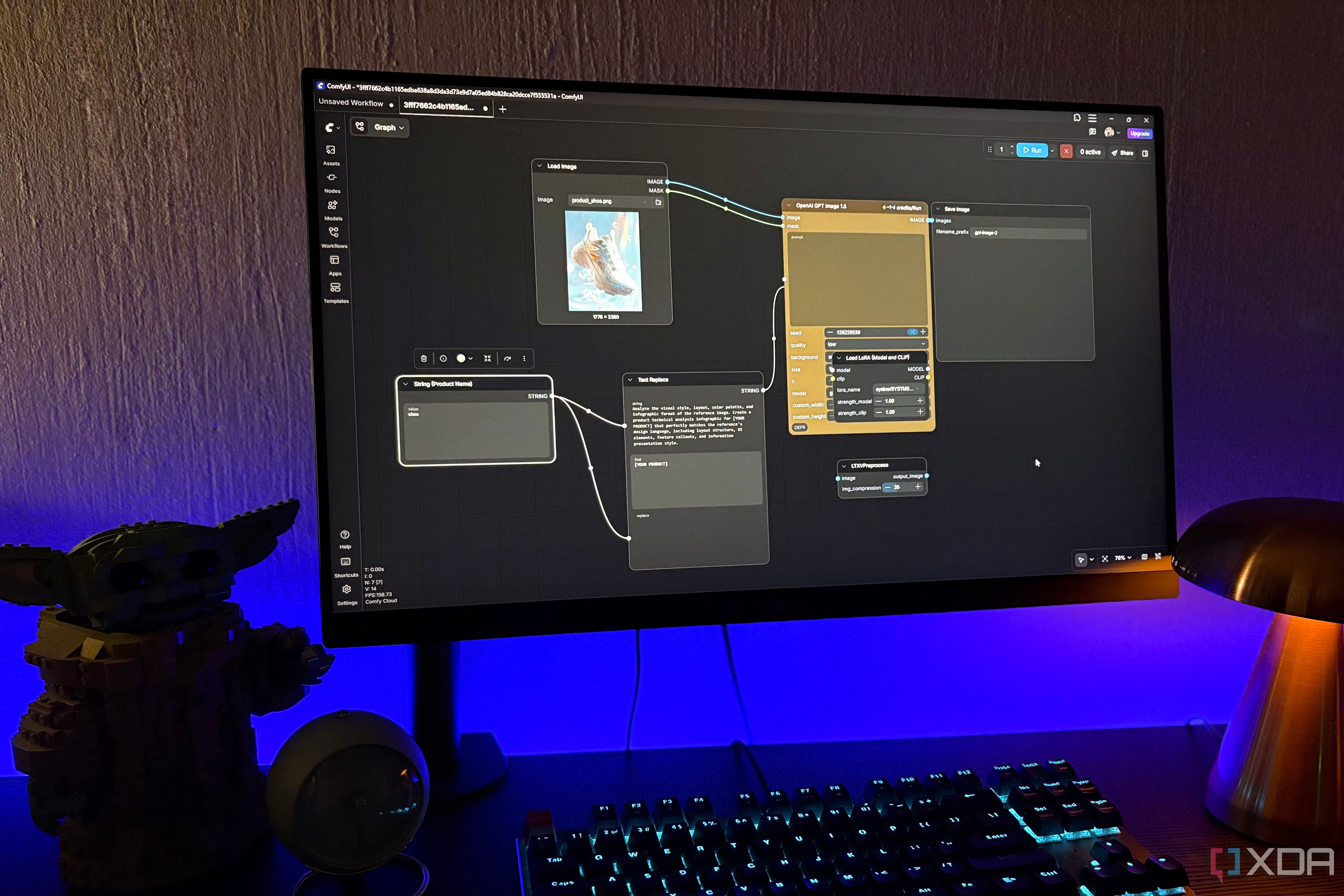
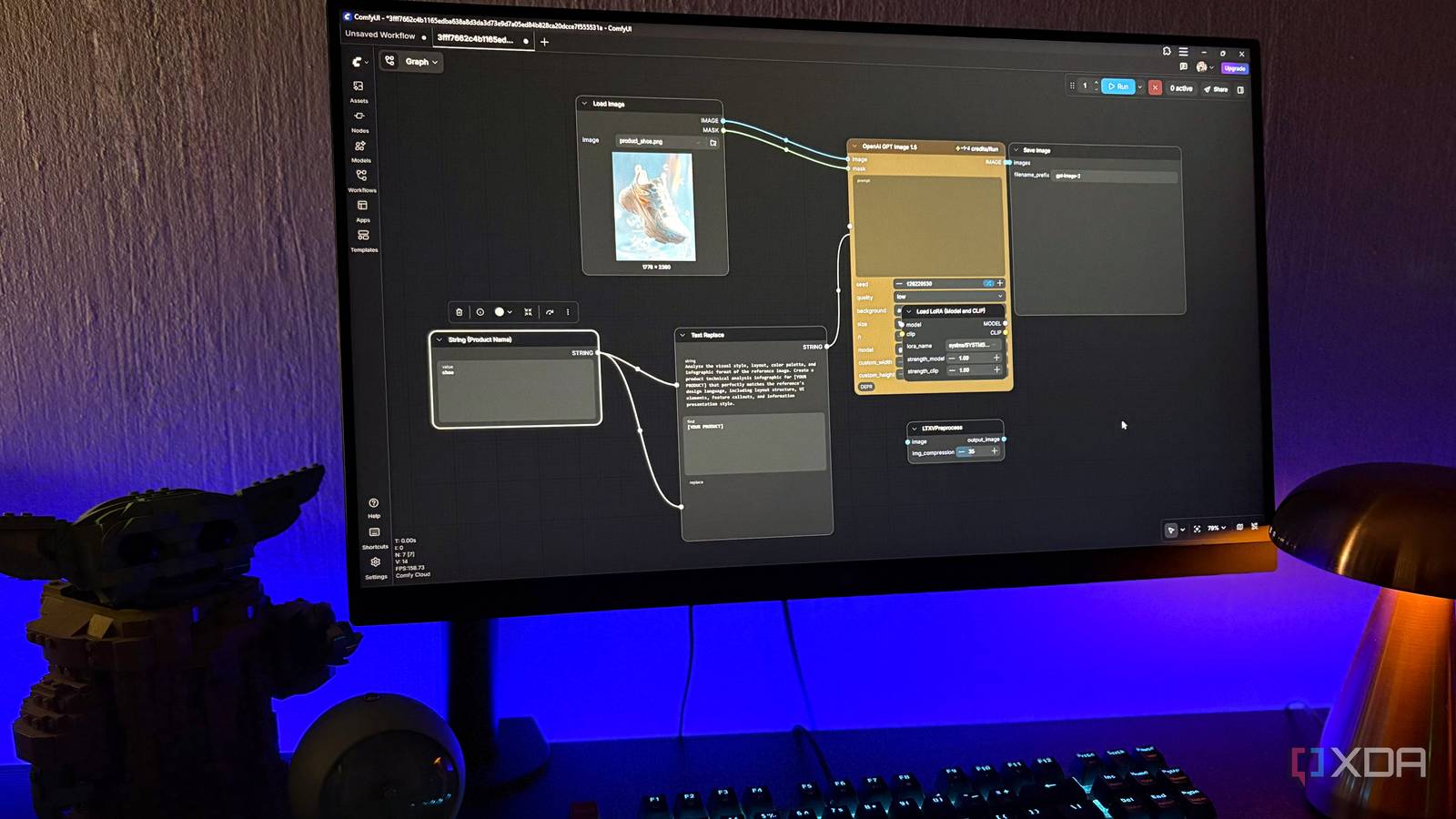
Proprietary tools are black boxes; you cannot see how the model works or modify it. Open-source platforms like Stable Diffusion or ComfyUI let you dive into the code, adjust parameters, and even train your own model from scratch. This is invaluable for learning machine learning concepts or tailoring the generator to a specific artistic style. It turns you from a user into a creator of the technology.
10. Long-Term Independence
Relying on a subscription service like Firefly ties your workflow to a company's pricing and policy changes. Open-source tools are maintained by a community—if one project stagnates, you can fork it. Your investment in learning and generating assets remains yours, regardless of corporate decisions. This independence is crucial for sustainability, ensuring that your creative pipeline stays open forever.
Switching from Adobe Firefly to a free open-source alternative isn't just about saving money—it's about reclaiming control, ethics, and creativity. While Firefly offers a polished, low-hassle experience, the open-source world delivers transparency, privacy, and limitless possibilities. If you're ready to explore, start with full control and privacy first, then dive into the community. Your next masterpiece awaits—without the paywall.