McDonald's Marketing Chief Reveals Inside Story of Viral Grimace Shake 'Death' Trend
McDonald's Marketing Chief Reveals Inside Story of Viral Grimace Shake 'Death' Trend
McDonald's senior marketing director Guillaume Huin has disclosed how the burger giant navigated the unexpected viral trend in 2023—where TikTok users pretended to die after drinking the Grimace Shake. The bizarre phenomenon generated over 2.9 billion views on the platform and boosted McDonald's sales by 10% that quarter. Huin confirmed that the company neither planned nor anticipated the trend.
"If you think we planted the Grimace Shake trend … thank you. So much. But you think way too highly of us," Huin wrote on X. He added that the trend was "pure Gen Z humor" and that the internal reaction initially felt like "telling your parents about a massive mistake you made that would ruin all your hard work."
Huin's posts offer a rare glimpse into how large corporations handle viral moments. He described encountering the trend at home, scrolling through social media and seeing users "losing control" after trying the shake. He immediately notified management, unsure of the implications.
The first text he sent, attached to his X post, explained the situation as "a very unexpected trend taking over TikTok with Grimace Shakes." He then assured recipients: "It's pure Gen Z humor, so do not take it badly even though it might be disturbing."
Initially, Huin believed the legacy brand would avoid engaging with the trend. A video of people acting as if they died from a product is not typical marketing for a fast-food chain. However, the team was given time to connect across departments and monitor the situation before deciding on a response.
One email was titled "what to do?" as the team weighed options. Ultimately, they chose a subtle reply that would not feel "self-serving." Huin wrote: "Boom, we posted." The response acknowledged the trend without being overtly promotional.
Background
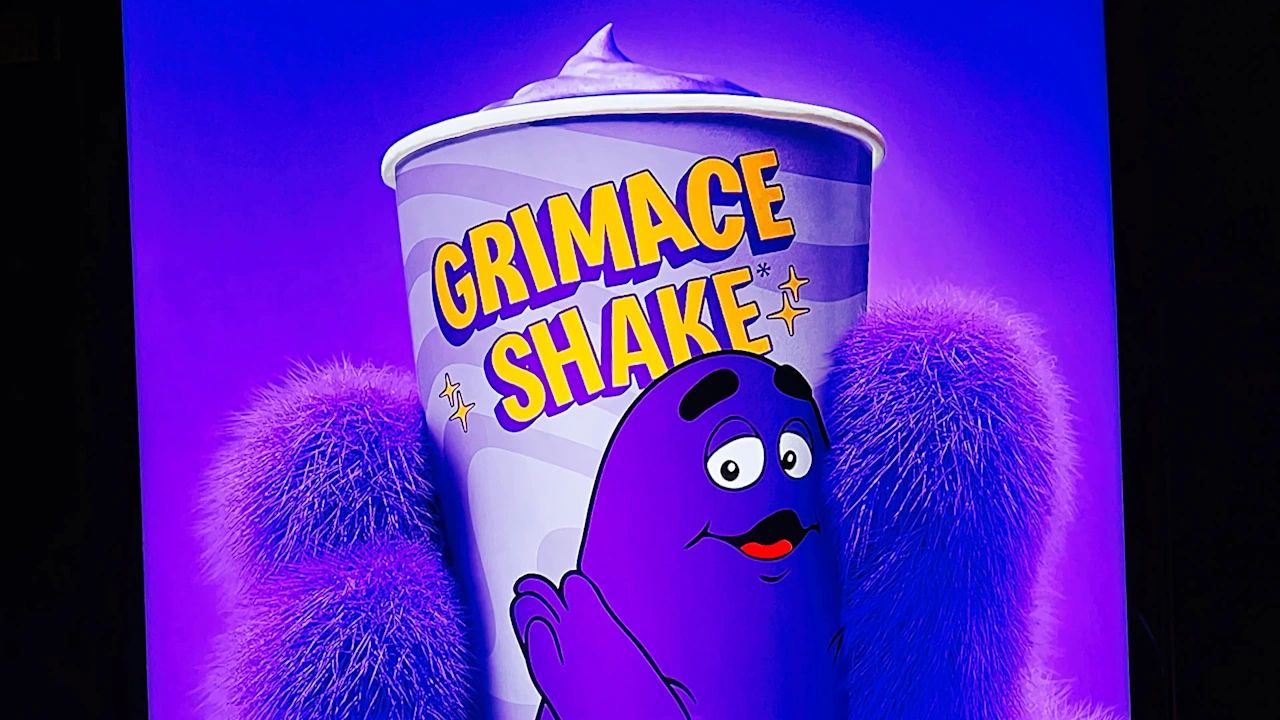
The Grimace Shake is a limited-edition purple vanilla-berry milkshake launched in June 2023 to celebrate the character Grimace, one of McDonald's mascots. Users filmed themselves drinking the shake and quickly cutting to a horror-movie death scene. The format became a viral template, with participants collapsing dramatically after taking a sip.
The trend gained traction rapidly, with over 2.9 billion views on TikTok. Despite its morbid premise, the trend boosted McDonald's sales by 10% that quarter. The company had no hand in creating it; the phenomenon emerged organically from user creativity.
What This Means
The episode underscores the challenges faced by large brands when internet trends collide with their products. McDonald's allowed its marketing team autonomy to assess the situation rather than panicking or issuing a heavy-handed response. The decision to engage subtly—rather than ignore or condemn the trend—demonstrates a sophisticated understanding of Gen Z humor.
Huin's transparency provides a rare case study in viral moment management. Companies often set up "situation rooms" to monitor trends, but McDonald's approach prioritized patience and cultural fluency. The result was a trend that boosted sales without alienating customers.
This event highlights the importance of giving marketing teams the trust and time to navigate unexpected viral waves. As Huin noted, the outcome was far better than the initial fear of a "massive mistake."