Classic 1966 Ford Mustang Reborn as a Fully Functional Tesla with Autopilot Capabilities
The Conversion Project: A Two-Year Journey
In Sacramento, California, the owner of a Tesla auto parts shop embarked on an ambitious two-year project to transform a 1966 Ford Mustang into a fully operational electric vehicle. With an investment of approximately $40,000, this classic muscle car received a complete drivetrain transplant from a Tesla Model 3, including its dual-motor all-wheel-drive system, battery pack, and advanced electronics. The result is a seamless blend of vintage aesthetics and cutting-edge EV technology.
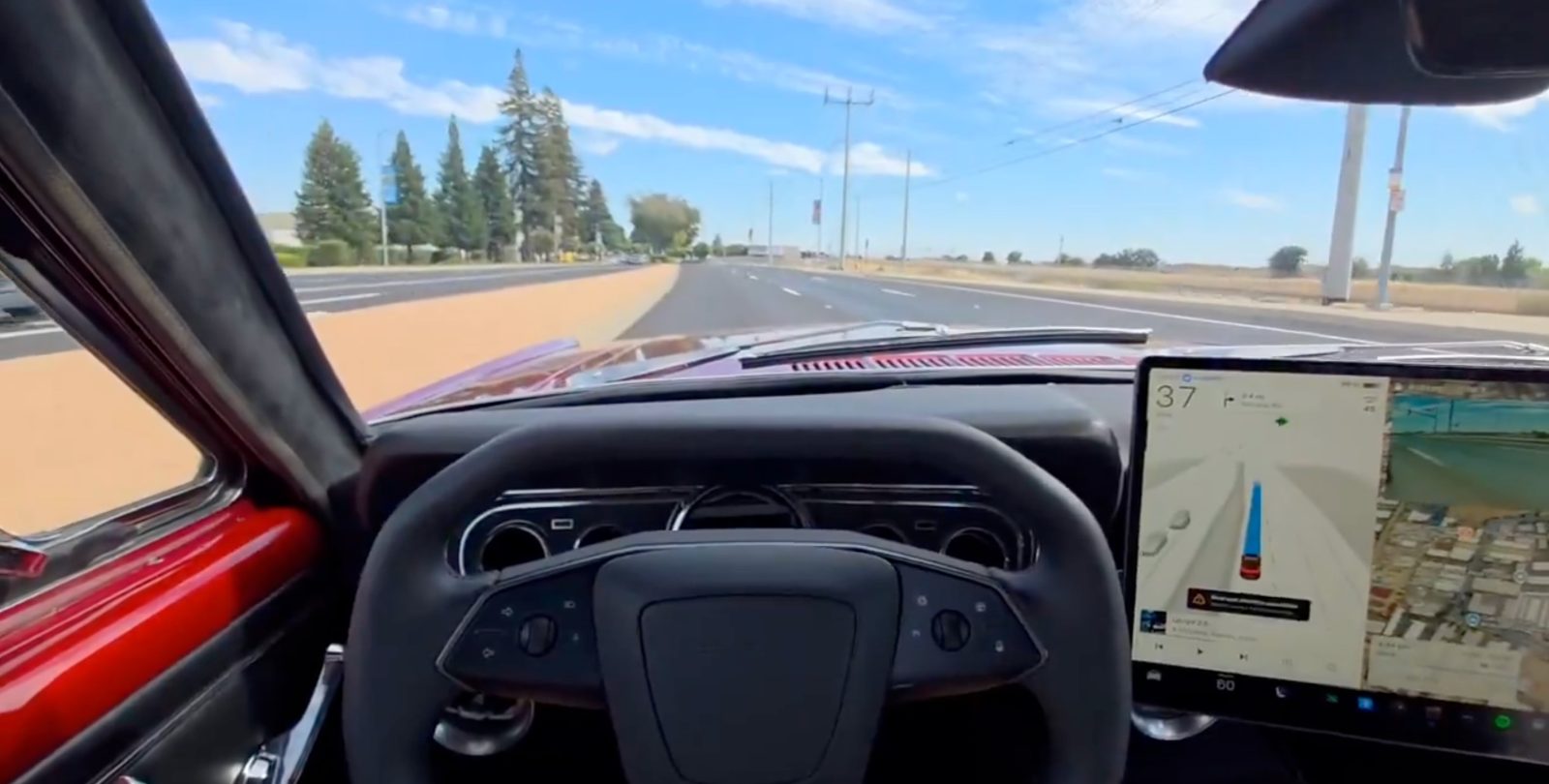
Technical Specifications: More Than Just a Swap
Drivetrain and Battery
The heart of the conversion is the Tesla Model 3's dual-motor drivetrain, which provides all-wheel drive and instant torque. The original internal combustion engine, transmission, and exhaust system were removed to make room for the Tesla battery pack, which sits low in the chassis to preserve handling. The car retains the Mustang's original body and interior styling, but the under-the-hood and undercarriage components are entirely modern.
Infotainment and Controls
A centerpiece of the conversion is the 15-inch touchscreen from the Model 3, integrated into the Mustang's dashboard. This screen controls all vehicle functions, including climate, navigation, and the Tesla-specific user interface. The steering wheel and pedals were also replaced with Tesla components to ensure full compatibility with the car's electronic systems.
Full Self-Driving Integration
Perhaps the most remarkable aspect is the integration of Tesla's Full Self-Driving (Supervised) software. This Mustang is believed to be the first non-Tesla vehicle to run FSD, utilizing the same suite of cameras, sensors, and computing hardware as a standard Model 3. The system operates with Tesla's proprietary software stack, albeit on a custom vehicle. While the FSD mode is labeled as “Supervised” — meaning the driver must remain attentive and ready to take control at all times — it nonetheless showcases the potential for transferring autonomous driving technology into classic cars.
Note: All FSD features remain dependent on real-time data and environmental conditions, and the system may require periodic updates via Tesla's over-the-air infrastructure.
Efficiency and Performance
Despite its vintage body, the converted Mustang performs remarkably well. Testing has shown an efficiency rating of 258 Wh/mi, which closely matches the efficiency of a standard Tesla Model 3. This figure is especially impressive given the Mustang's less aerodynamic shape. The dual-motor setup provides brisk acceleration and a driving experience that combines the instant torque of an EV with the nostalgic feel of a classic coupe.

Range and Charging
The vehicle uses Tesla's charging architecture, meaning it can be charged at any Tesla Supercharger or standard Level 2 station. Exact range figures have not been disclosed, but given the battery capacity and efficiency, it likely offers a range comparable to early Model 3 variants — around 200-250 miles on a full charge.
Implications for EV Conversions
This project demonstrates that modern EV technology can be retrofitted into classic cars without sacrificing functionality or performance. It paves the way for other enthusiasts to preserve beloved vintage vehicles while embracing electric drivetrains. The use of Tesla's FSD system in a non-Tesla chassis also hints at a future where autonomous driving features become more adaptable across different vehicle platforms.
While the conversion cost was significant, it highlights the growing ecosystem of aftermarket parts and knowledgeable shops capable of such work. For those interested in a similar project, the key takeaways are:
- Budget: Expect at least $30,000–$50,000 for a full Tesla drivetrain conversion, depending on parts and labor.
- Time: Complex conversions typically take 12–24 months.
- Technical expertise: Familiarity with both classic car mechanics and high-voltage EV systems is essential.
As more builders attempt similar feats, we may see a resurgence of classic cars with zero emissions, combining the best of both automotive eras.